

Iranian Representatives Attend Global Disaster-Related Statistics Framework Workshop in Japan
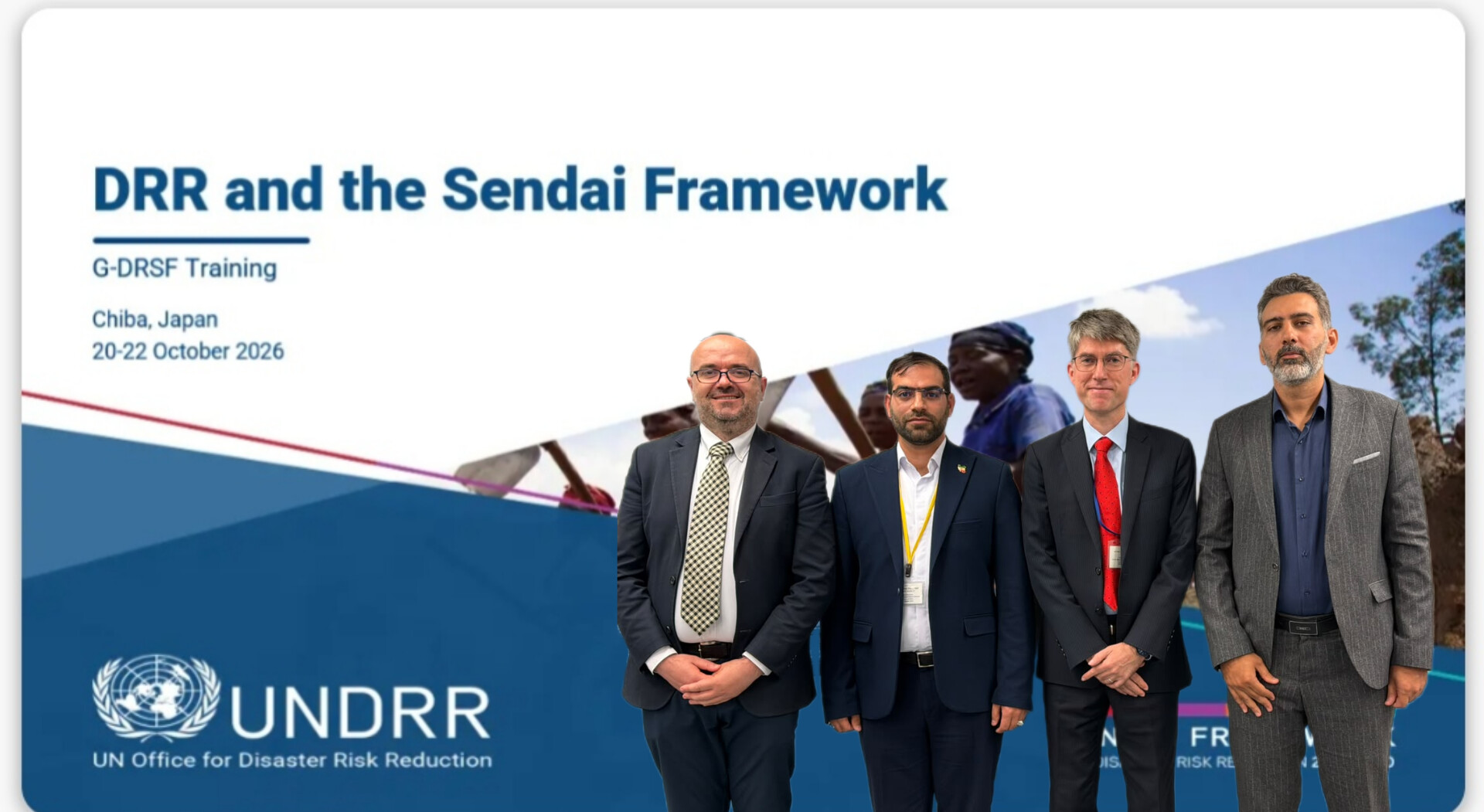
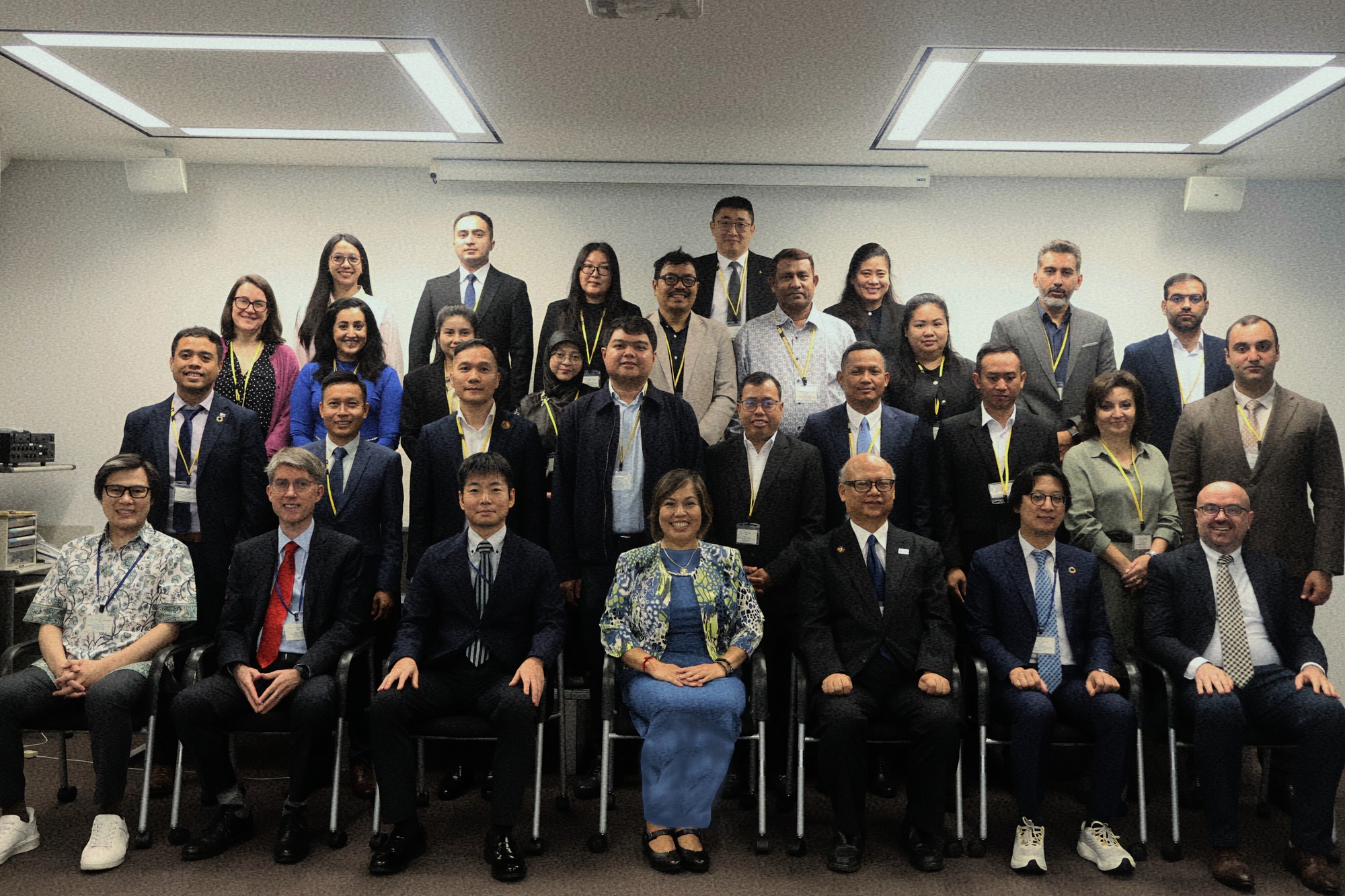
Representatives of the Islamic Republic of Iran are participating in a training workshop on the Global Disaster-Related Statistics Framework (G-DRSF), being held from October 20 to 22, 2026, at the training center of the United Nations Statistical Institute for Asia and the Pacific (SIAP) in Chiba, Japan.
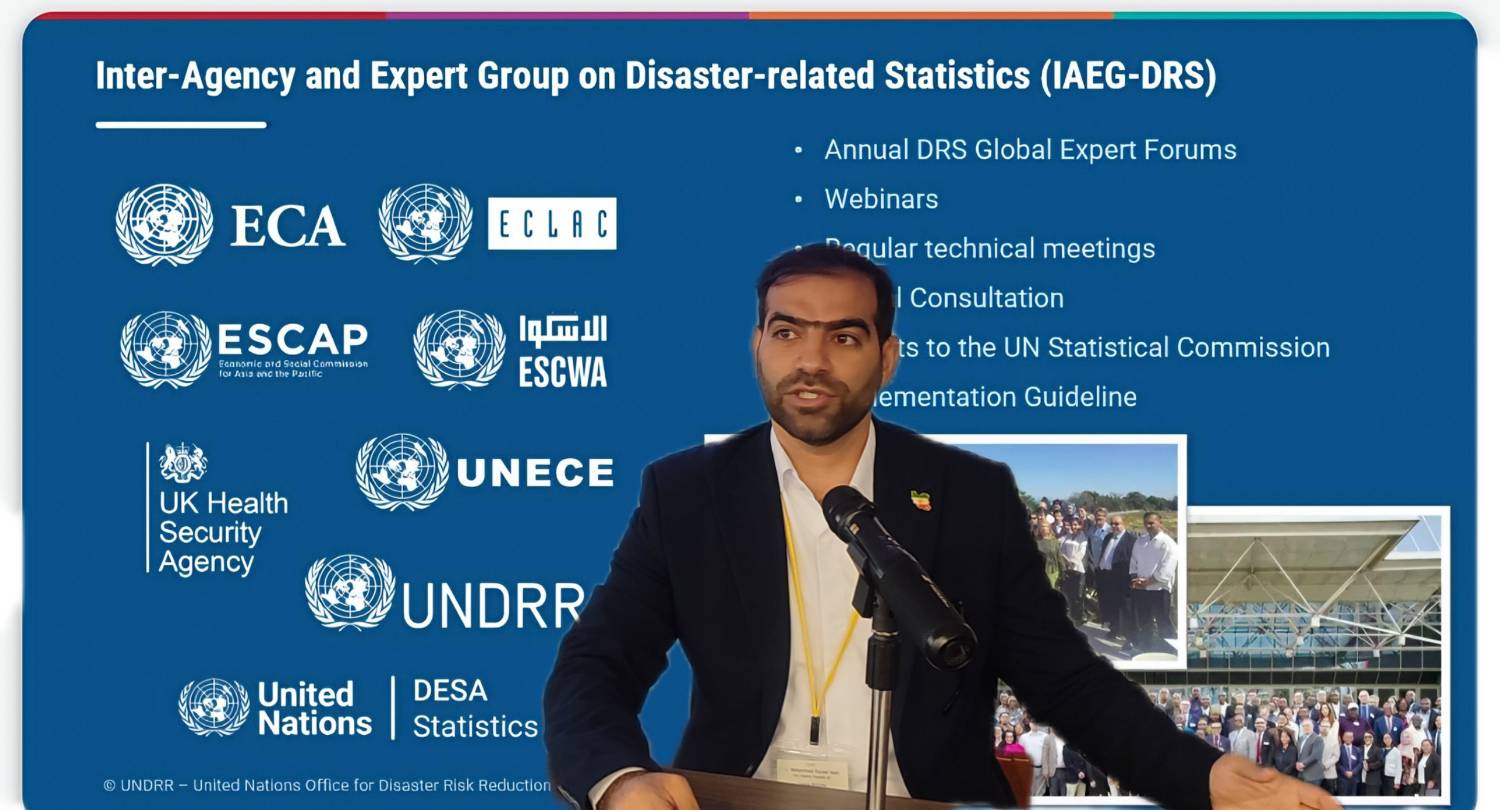
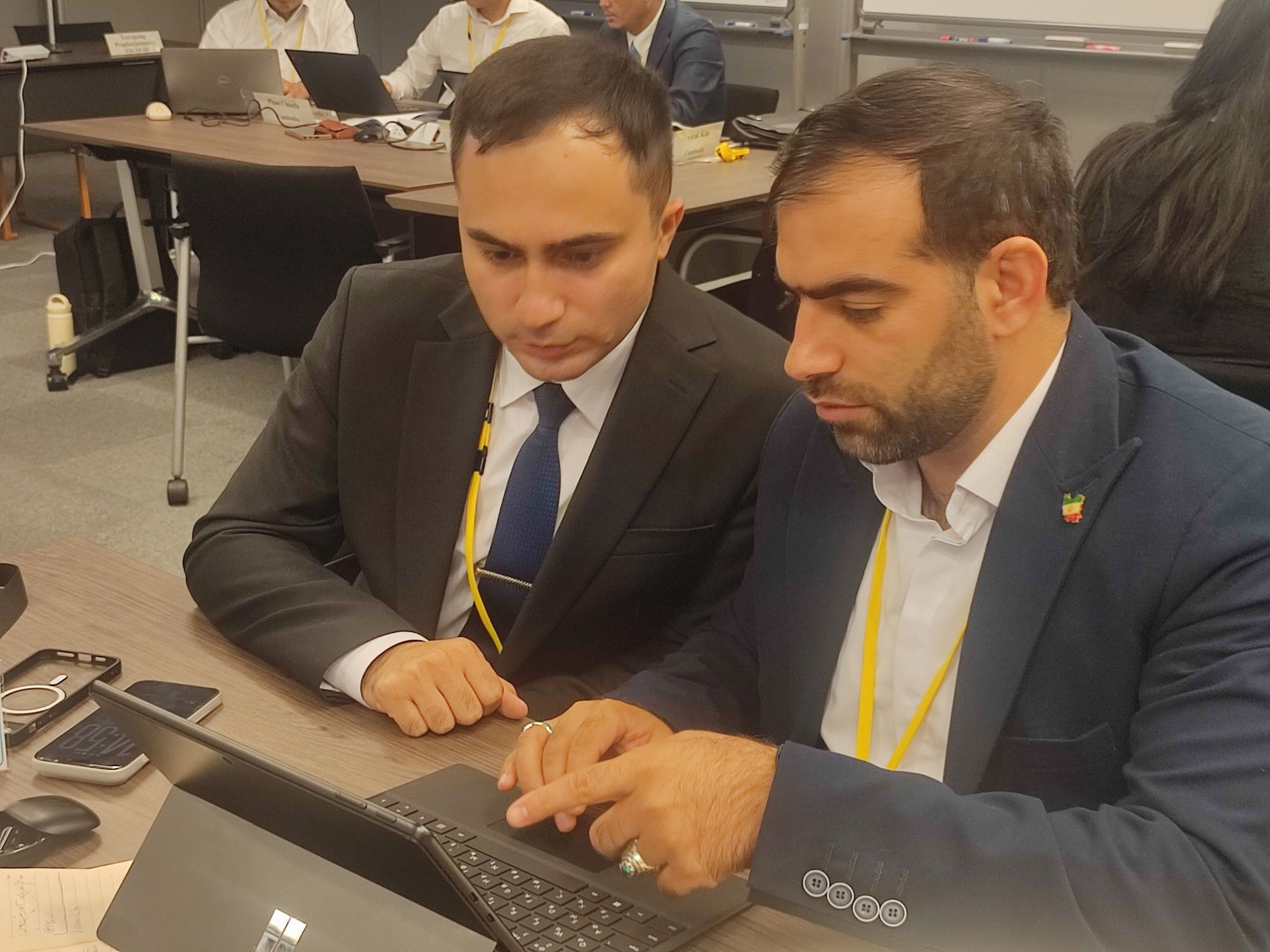
According to the Public Relations Office of the National Cartographic Center of Iran (NCC), quoting the International Cooperation and Engineering Services Directorate, Rezaei-Habil and Mohammad Rajabpour, Acting Head of the Project Management Department of the National Disaster Management Organization, are attending the workshop on behalf of the Islamic Republic of Iran.
During the workshop, Engineer Rezaei-Habil, Chair of the Disaster Management Committee at the National Cartographic Center of Iran, delivered a presentation on the role of geospatial and statistical information in disaster management. He emphasized the importance of using reliable data and integrating demographic and geospatial information to identify high-risk areas, assess the exposure of populations and assets to natural hazards, and produce risk maps.
He also highlighted the value of combining natural hazard maps with population distribution maps. This integrated approach enables spatial analysis of the distribution of people and assets in hazard-prone areas, helping improve risk assessments, prioritize preventive measures, and support more effective decision-making in disaster management. Iranian representatives are also participating in several technical sessions and panel discussions alongside delegates from participating countries. These sessions provide opportunities to exchange experiences, discuss common challenges, and explore opportunities for strengthening international cooperation in disaster-related statistics and disaster risk reduction.
The Global Disaster-Related Statistics Framework (G-DRSF) was developed to support the production of high-quality, harmonized, and internationally comparable statistics on disasters. It was endorsed at the 57th session of the United Nations Statistical Commission in March 2026 and introduced as the first global statistical framework dedicated to the production of disaster-related statistics. The framework represents an important step toward harmonizing disaster statistics internationally. By providing internationally agreed concepts, definitions, classifications, and measurement recommendations, it helps countries transform disaster-related data into reliable and comparable statistical information.
By strengthening the links between data producers and policymakers responsible for disaster risk reduction, the framework also supports a better understanding of disaster risks and the development of more effective policies to enhance community resilience. The training workshop is being organized through cooperation among the United Nations Office for Disaster Risk Reduction (UNDRR), its Global Education and Training Institute, and the United Nations Statistical Institute for Asia and the Pacific (SIAP), which operates under the United Nations Economic and Social Commission for Asia and the Pacific (ESCAP). The event is supported by Japan’s Ministry of Internal Affairs and Communications.
Iran’s participation in this specialized international event provides an opportunity to exchange knowledge and practical experience with other countries, become familiar with international standards for disaster-related statistics, and strengthen professional cooperation in the use of geospatial and statistical information for disaster management. Applying the knowledge and approaches shared during the workshop could contribute to improving hazard and risk analysis, strengthening preventive planning, and enhancing coordination among the national agencies responsible for disaster management in Iran. The participation also underscores the importance of integrating geospatial information, demographic data, and standardized disaster statistics to support evidence-based decision-making and strengthen preparedness and resilience in the face of natural hazards.

.jpg)




comment